HIPOBAT is nearing its midpoint
The HIPOBAT project aims to develop high-power batteries capable of rapid charging and discharging while maintaining adequate energy density. As the first bilateral battery research cooperation project in Europe, it seeks to establish strong ties and seamless knowledge exchange with the seven German laboratories involved in the consortium.
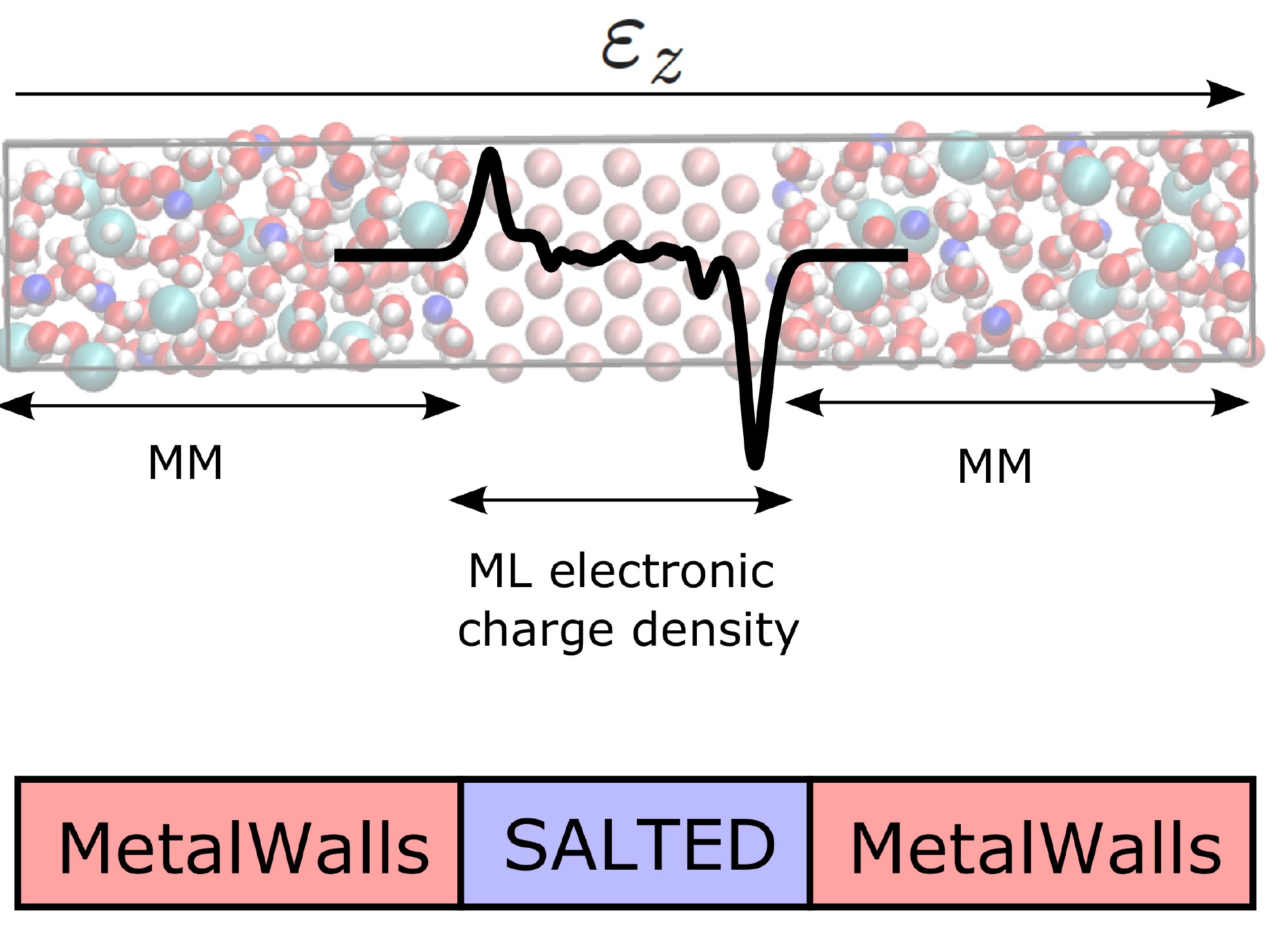
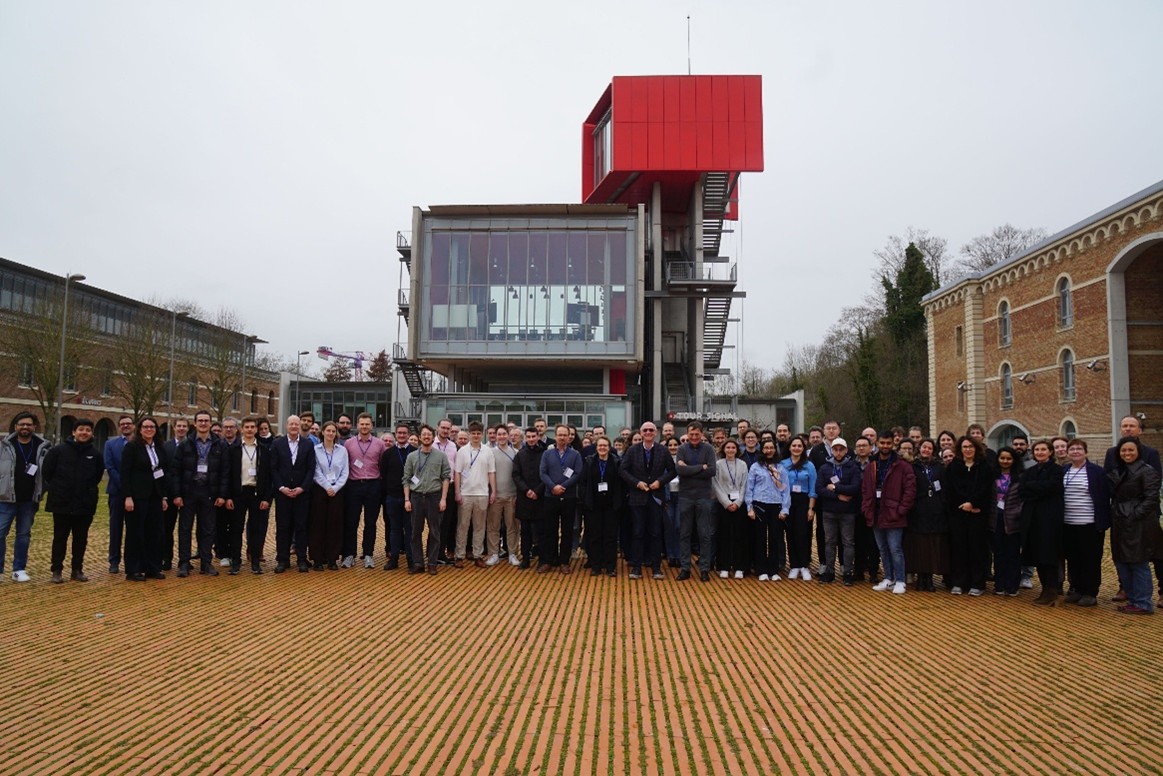
HIPOBAT operates on two levels. First, it is a fundamental research project focused on discovering new materials and cell designs. Key research objectives include a deeper understanding of the rapid diffusion mechanisms of ions and electrons during charging and discharging, as well as aging phenomena. The project also addresses thermal management of cells and conducts advanced characterization and modeling work. The 15 PhD students and postdocs recruited across the six French laboratories in the HIPOBAT consortium presented their progress at the third project meeting, held in Amiens on February 18–19. Anjali Gaur (PHENIX) won the award for best French HIPOBAT poster with her presentation, “Understanding Structure–Diffusion Interplay in Crystalline vs. Disordered Li/Na Metal (Oxy)halides using Machine Learning Potentials.” Ahmad Al Khatib (UTC) showcased his work on non-invasive detection of plating onset during fast charging in the session dedicated to the most promising results achieved by young researchers.
A key milestone for HIPOBAT is the production and evaluation of a high-power battery cell with tailored electrodes and a compatible electrolyte. Technology transfer to industry is a critical focus, and the project benefits from the expertise of an external industrial advisory board, comprising five German and five French companies representing different stages of the value chain. Significant progress has been made toward achieving this milestone. This task focuses on all-solid-state sodium-ion technologies. The reference cell, made from commercial electrode and electrolyte materials, is currently in the execution phase. Materials for the first demonstrator cell, developed by the German and French laboratories of HIPOBAT, have been selected.
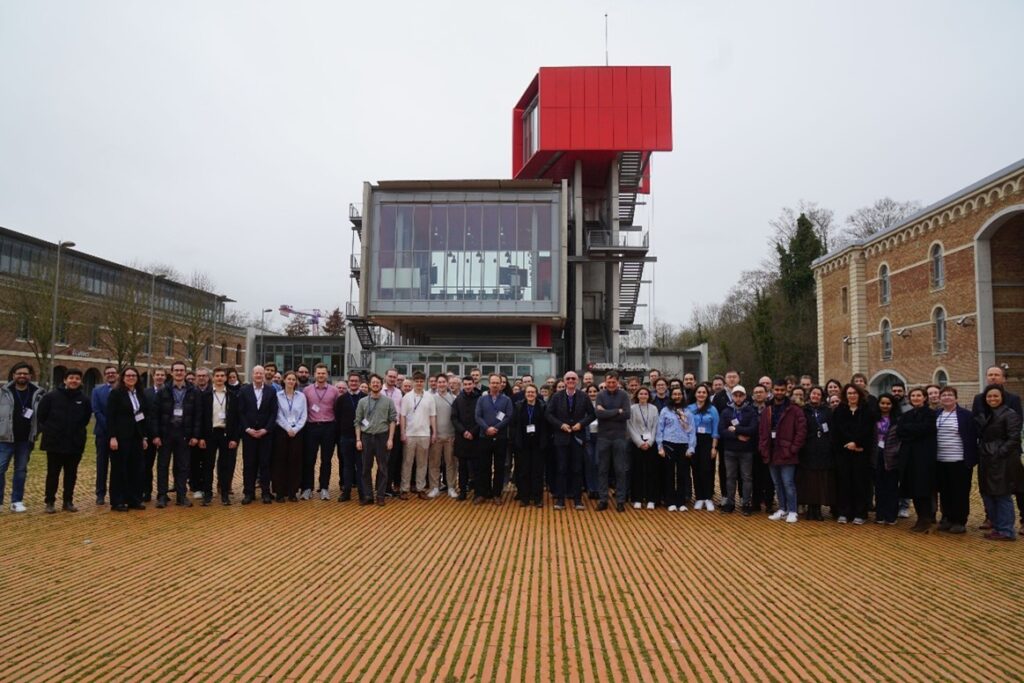
HIPOBAT also represents a strategic experiment in Franco-German collaboration on battery research and in building a competitive European ecosystem. The project meeting concluded with a roundtable at the German Embassy in Paris, bringing together stakeholders from politics and industry. This stimulating exchange reaffirmed France and Germany’s commitment to developing a European battery industry. Achieving this goal requires streamlining organizational processes and intensifying scientific and industrial collaboration.

Autres Highlights