OPENSTORM at Midpoint: Towards an Integrated Operando Platform
The OPENSTORM project (OPerando Energy STORage Materials analysis) aims to establish a French advanced characterization platform for batteries under operating conditions, spanning from laboratory-scale to large-scale facilities (synchrotron and neutron sources). Its goal is to accelerate the understanding of the structural, chemical, morphological, and interfacial mechanisms that govern the performance and durability of next-generation batteries (all-solid-state, high-power, and post-Li-ion systems).
At the midpoint (2023–2026), major advancements have been achieved in the development of innovative electrochemical cells compatible with operando approaches using diffraction, imaging, and advanced spectroscopy.
Several proofs of concept have been demonstrated: X-ray/neutron-compatible cells for small-angle scattering and diffraction, operando devices for temperature ranges from -50 °C to 200 °C, and pressure cells for all-solid-state batteries studied via neutron diffraction. Innovative 3D analysis methodologies, combining synchrotron-based tomographic techniques, have also been applied to industrial cylindrical cells to visualize degradation mechanisms in real time.
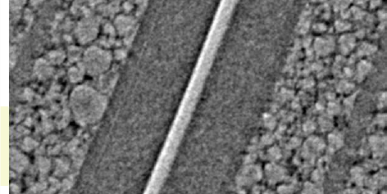
Figure 1. Example of operando diffraction measurement on a Na-ion cylindrical cell.
In spectroscopy, a new high-sensitivity operando NMR probe has been commissioned, enabling studies on composite electrodes and paving the way for all-solid-state batteries. Operando Raman cells have reached an advanced electrochemical maturity level. At the synchrotron, strategies combining XAS, XES, and XRS have been validated for Na-ion and solid-state materials, providing complementary insights into redox mechanisms and electronic evolution. Dedicated devices for interface studies using XPS, ToF-SIMS, and HAXPES have enabled tracking the formation and evolution of electrode/electrolyte interfaces, including the reactivity of metallic lithium on sulfide electrolytes.
OPENSTORM has also structured a correlative toolbox (WP5), including a cell inventory, protocol harmonization, and initial developments in data processing tools integrating statistical and machine learning approaches. Multi-partner workflows have been established, particularly for Na-ion and all-solid-state batteries, to address shared scientific questions using standardized materials and analysis protocols among project partners.
Interactions with the LIMASSE and HIPOHYBAT projects have been strengthened through dedicated workflows and “ambassadors” across projects, ensuring close alignment between material development and advanced characterization. With 13 recruitments completed to date (PhD students, postdocs, engineers), OPENSTORM is consolidating a national multi-scale characterization infrastructure, fully aligned with the objectives of the PEPR Batteries and European acceleration initiatives.
Autres Highlights